The Brazilian Academy of Sciences, Arts, History and Literature
A Cultural Institution Active Since 1910
ABRASCI is a cultural institution whose origins date back to 1910, according to the earliest records of its predecessor, the Brazilian Academy of History.
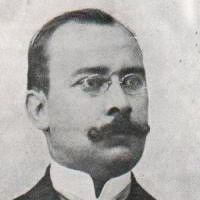
Under the leadership of Afrânio de Mello Franco, the Academy took its first steps while facing the challenges of establishing a learned society on solid foundations during that period. Alongside him were distinguished intellectuals such as Alberto Rangel, Basílio de Magalhães, and Ramalho Ortigão.
In 1958, Othon Costa, Judge Carlos Xavier Paes Barreto, and Vieira Souto joined forces and combined their expertise to sustain and expand efforts dedicated to promoting Brazil’s historical heritage. Under Othon Costa’s leadership, the Academy broadened its activities and strengthened its role in the dissemination of historical knowledge.
Still headquartered in Rio de Janeiro, the Academy elected another important board of directors in 1961. The leadership included renowned historians such as Carlos Xavier Paes Barreto as President, Lemos Britto as First Vice President, and Othon Costa as Second Vice President.
In 1975, with the arrival of Marco Antônio Rangel Pestana de Campos Salles, the Academy brought together some of the most prominent names in Brazilian historiography. Working alongside Dante de Laytano, Affonso Arinos de Mello Franco, José Honório Rodrigues, and Luís da Câmara Cascudo, and with the valuable collaboration of Fábio Bonifácio Olinda de Andrada and Francisco Martins Marques of the Pero Vaz de Caminha Historical and Cultural Institute, the Academy further expanded its influence and activities.
Under the leadership of Dante de Laytano and Marco Antônio Rangel Pestana de Campos Salles, the Brazilian Academy of History experienced a period of significant growth and national recognition. Through an extensive program of activities supported by state and federal governments, the Academy visited virtually every Brazilian state and promoted cultural and academic events abroad, including official ceremonies held in several countries across Africa and Europe.
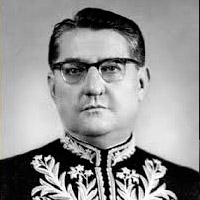
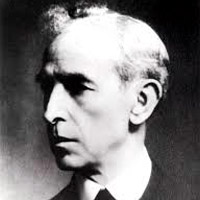
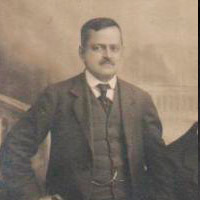
Our Founders
Affonso Arinos de Mello Franco
Afrânio de Mello Franco
Alberto Rangel
Basílio de Magalhães
Dante de Laytano
Desembargador Carlos Xavier
Francisco Martins
Gunter Fischer
José Honório Rodrigues
Julio Elito
Luiz da Câmara Cascudo
Marco Antônio de Campos Sales
Michel Chelala
Othon Costa
Ramalho Ortigão
Raul Bernardo
Roberto Oropallo
Vieira Souto
Beginning in 1987, at the request of the Academy’s members, a merger was established with the Pero Vaz de Caminha Historical and Cultural Institute, resulting in the creation of the Brazilian Academy of Arts, Culture, and History, headquartered at the Morumbi Farmhouse (Casa da Fazenda do Morumbi).
In the years that followed, the Academy expanded its scope to include the fields of Science and Literature, further broadening its mission and influence. Throughout its history, ABRASCI has carried out numerous initiatives aimed at preserving historical memory, safeguarding cultural and civic traditions, and contributing to Brazilian society. Its activities have included restoration projects, commemorative programs, publications, and national and international events.
Since adopting the ABRASCI name, the Academy has been led by distinguished presidents, including Professor Michel Chelala and Commander Samir Chelala. Its esteemed Academic Council has included, among many notable members, Luiz Sérgio Alvares DeRose (DeRose), Sérgio Reis, Marco Aurélio Mendes de Farias Mello, and Wolf Maya.
Preserving Historical Memory and Safeguarding Brazil’s Cultural and Civic Traditions
Throughout its various stages of development, ABRASCI has undertaken and supported numerous initiatives dedicated to preserving historical memory and safeguarding the cultural and civic traditions of Brazilian society.
Among its most significant contributions are its participation in the restoration of the Morumbi Farmhouse (Casa da Fazenda do Morumbi); the designation and restoration of the House of Marshal Deodoro in partnership with the Government of the State of Alagoas; the organization of commemorative events marking the bicentennial of the birth of Emperor Dom Pedro I; the transfer of General Osório’s sword from his family’s custody in the State of Rio Grande do Sul to the Osório Foundation in Petrópolis, Rio de Janeiro; and the repatriation of the remains of Dom Pedro I from Portugal to Brazil, culminating in their placement at the Ipiranga Museum.
In addition, the Academy has published an extensive body of scholarly and cultural works, including articles, journals, and books that reflect the significance of its historical and artistic contributions—and those of its members—to the nation. Together, these efforts account for more than one thousand publications and represent a lasting contribution to Brazil’s intellectual and cultural heritage.
Through its international initiatives, the Academy organized seminars and educational programs in partnership with leading institutions dedicated to the study of history. These activities were conducted throughout the Portuguese-speaking countries of Africa as well as in South Africa, where the Academy hosted a distinguished seminar honoring the legacy of Mahatma Gandhi.
Significant achievements were also accomplished across Europe, particularly in Portugal, Spain, Italy, and England. Among the most notable was the Academy’s participation in the commemorations marking the sesquicentennial of Baron Langsdorff, held at the renowned Academy of Sciences of Stalingrad.
These international activities further strengthened the Academy’s commitment to cultural exchange, historical scholarship, and the promotion of knowledge beyond Brazil’s borders.
In the field of arts and culture, the Academy has promoted numerous exhibitions and cultural showcases in Portugal, France, and Germany, as well as in several cities across the United States and in major capitals throughout South America.
Built upon enduring principles of citizenship, civic responsibility, and public service, the Brazilian Academy of Sciences, Arts, History and Literature has earned widespread recognition and institutional support through partnerships with distinguished organizations in Brazil and abroad. Among its most notable collaborators are the São Paulo Historical and Geographical Institute, the Brasília Pioneers Club, the Juscelino Kubitschek Memorial, the Cafu Foundation, and Brazil’s System S network—including SENAI, SESC, SENAC, SEBRAE, SESCOOP, SEST, SENAT, and SENAR—among many others.
These partnerships reflect the Academy’s longstanding commitment to fostering cultural development, preserving historical heritage, and advancing intellectual and artistic achievement both nationally and internationally.
In addition to these collaborations, the Academy has established partnerships with a variety of official institutions and government bodies, including the Ministry of Culture; the governments of the State of São Paulo and the Federal District; the Federal Senate; the 2nd Military Judicial District of São Paulo; the 1st Shock Police Battalion of São Paulo; and numerous municipal governments throughout Brazil.
These partnerships have contributed to the Academy’s ability to promote cultural, educational, and historical initiatives while strengthening its engagement with public institutions at the local, state, and national levels.
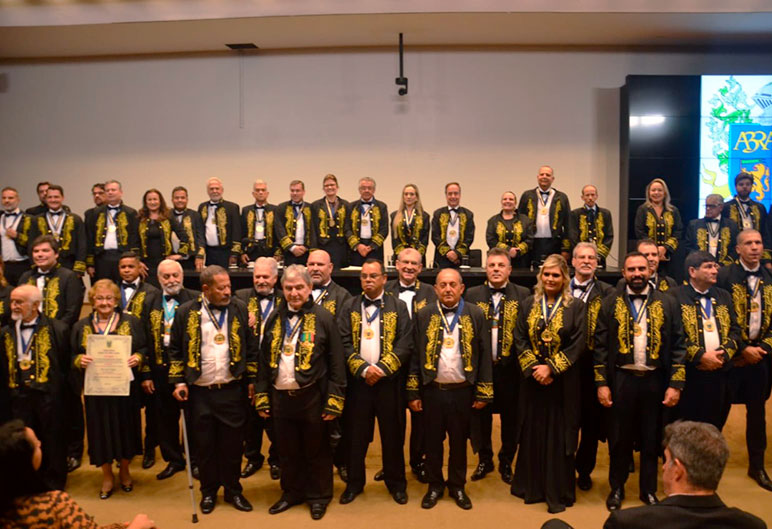
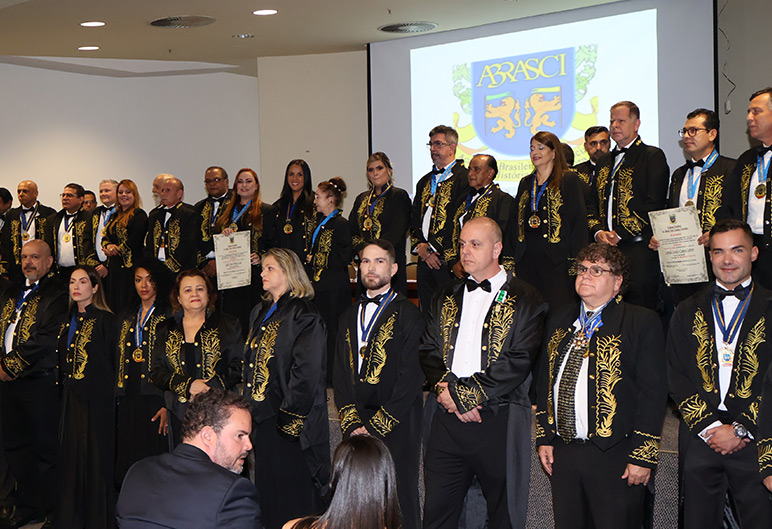
After more than a century of existence, ABRASCI remains steadfast in its mission to contribute to the advancement of Brazil through the promotion of knowledge, culture, and civic values. Guided by an enduring commitment to excellence, the Academy continues to organize distinguished events, honor outstanding individuals whose achievements have made a meaningful impact on society, and conduct ceremonies that celebrate the nation’s cultural, intellectual, and civic heritage.
Through these initiatives, ABRASCI reinforces its role as a guardian of Brazil’s historical legacy and as a catalyst for the continued development of science, arts, history, and literature.
 Select language